

지난 글에서 LLM에 도구를 쥐여 주는 방법과 그 연결을 표준화하는 MCP를 봤다. 그런데 도구를 붙였다고 에이전트가 되지는 않는다. 도구를 언제 부를지, 돌아온 결과를 보고 무엇을 다시 할지, 어디서 멈출지를 정하는 제어 루프가 따로 있어야 한다. 이 글은 그 루프를 짜는 네 가지 패턴을 한자리에 놓는다 — ReAct, Plan-and-Execute, Reflexion, 그리고 LATS다.
패턴을 고르는 일은 취향 문제가 아니다. 같은 모델을 쓰고도 루프 설계에 따라 LLM 호출 수가 한 자릿수와 두 자릿수를 오가고, 다단계 태스크의 성공률이 갈린다. 잘못 고르면 같은 행동을 되풀이하다 멈추지 못하거나, 답은 맞았는데 비용이 열 배로 나온다. 그래서 이 글은 패턴 넷을 나열하는 데서 끝내지 않고, 어느 패턴을 쓰든 반드시 그어야 하는 경계 — 반복 상한, 도구별 권한, 비용 예산 — 까지 함께 다룬다.
제어 루프
목표·상태·도구·모델
가장 단순한 에이전트도 네 가지를 갖는다. 달성해야 할 목표, 지금까지 무엇을 했고 무엇을 알아냈는지를 담은 상태, 바깥에 손을 뻗는 도구, 그리고 상태를 보고 다음 행동을 고르는 모델이다. 모델이 행동을 하나 고르면 도구가 실행되고, 결과가 상태에 쌓이고, 다시 모델이 그 상태를 본다. 목표가 끝날 때까지 이 원이 돈다.
여기서 흔히 오해하는 낱말이 자율성이다. 자율성은 에이전트가 아무 행동이나 할 수 있다는 뜻이 아니다. 허용된 도구와 정해진 예산, 그리고 종료 규칙 안에서 다음 한 걸음을 스스로 고르는 능력에 가깝다. 무엇을 할 수 있는지는 우리가 정하고, 그중 무엇을 지금 할지를 모델이 정한다. 이 구분을 놓치면 뒤에서 볼 경계 이야기가 자율성을 깎는 타협처럼 보이는데, 사실은 자율성이 성립하기 위한 조건이다.
네 패턴이 갈리는 자리는 이 원의 어디를 손보느냐다. 상태에 무엇을 담을지, 행동을 하나씩 고를지 미리 여러 개를 정해 둘지, 실패했을 때 원을 다시 돌지 말지 — 바꾸는 곳이 서로 다르다.
지식 단절과 계산 오류
애초에 왜 루프를 도는가. 모델을 한 번 부르고 답을 받으면 안 되는 이유가 둘 있다.
첫째는 지식 단절(knowledge cutoff)이다. 모델은 학습 데이터가 끊긴 시점 이후를 모른다. 오늘 날씨, 방금 나온 뉴스, 지금 이 순간의 재고 수량은 검색이나 조회 도구 없이는 알 방법이 없다. 둘째는 계산 오류다. LLM은 자릿수가 많은 곱셈이나 긴 누적 계산에서 자주 틀린다. 2,847 × 193을 머릿속으로 답하면 틀릴 수 있지만, 파이썬 실행기로 넘기면 정확하다.
이 둘은 추론을 더 잘하게 만든다고 메워지지 않는다. 사고 사슬(Chain-of-Thought)을 아무리 길게 늘여도 모르는 사실이 생기지는 않는다. 도구를 붙이는 순간 LLM의 역할이 바뀐다 — 「모든 것을 아는 답변자」에서 「도구를 언제 어떻게 부를지 정하는 조율자」가 된다. 네 패턴은 전부 이 조율을 어떤 모양으로 할지에 대한 답이다.
계획 시점과 재시도

넷을 외우기 전에 두 축으로 놓으면 자리가 한눈에 잡힌다. 첫 번째 축은 계획을 언제 세우는가다. 한 걸음씩 그때그때 정하는 쪽이 ReAct고, 전체 순서를 먼저 짜 놓고 실행하는 쪽이 Plan-and-Execute다. 두 번째 축은 한 번에 끝내는가다. 한 경로를 끝까지 밀고 가는 쪽이 앞의 둘이고, 결과를 평가해 다시 시도하는 쪽이 Reflexion, 여러 갈래를 동시에 펼쳐 놓고 고르는 쪽이 LATS다.
두 축이 독립이라 조합도 성립한다. Plan-and-Execute의 각 단계를 ReAct로 실행하는 구성이 흔하고, Reflexion의 한 번의 시도 안에 ReAct 루프가 통째로 들어가기도 한다. 넷을 배타적인 선택지로 보면 헷갈리지만, 「계획을 언제 정할까」와 「몇 번 시도할까」 두 결정으로 보면 고를 것은 두 번뿐이다.
ReAct
Thought·Action·Observation
ReAct(Reasoning + Acting)는 2022년 Princeton과 Google의 Yao 등이 제안한 프롬프팅 패러다임이고, 오늘날 거의 모든 에이전트 구현의 바닥에 깔려 있다. 핵심은 모델이 세 가지 종류의 토큰을 번갈아 만들어 낸다는 것이다.
Thought는 모델이 스스로에게 하는 말이다. 지금 무엇을 아는지, 무엇이 더 필요한지, 그래서 다음에 무엇을 할지를 적는다. Action은 실행할 도구와 인자를 지목하는 텍스트다. Observation은 모델이 만들지 않는다 — 도구를 실제로 실행한 결과를 우리 코드가 받아 컨텍스트에 되돌려 넣는 자리다. 이 셋이 반복되면서 모델이 가진 정보가 한 바퀴마다 늘고, 충분해지면 최종 답을 낸다.
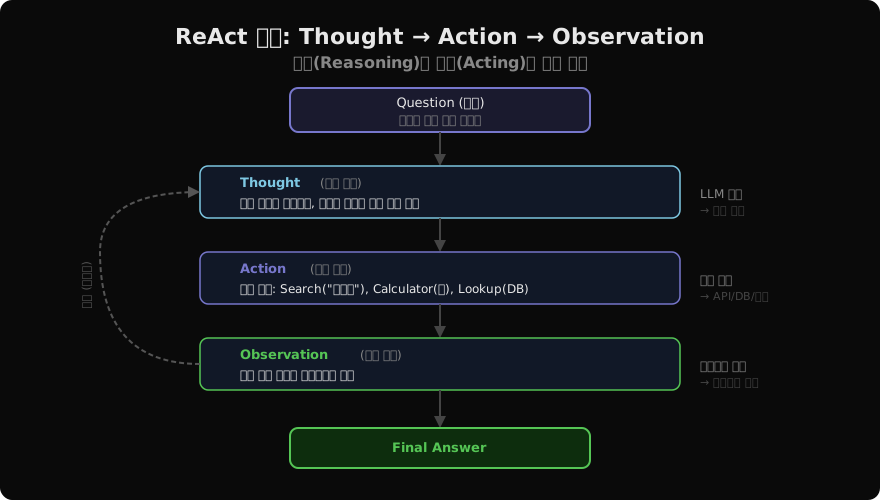
Thought를 따로 두는 것이 왜 이득인지는 빼 보면 알 수 있다. Thought 없이 Action만 뽑게 하면 모델은 「검색해야겠다」는 판단을 텍스트로 옮기지 않은 채 도구 이름부터 고르게 된다. 근거를 적고 나서 고르는 편이 낫고, 부수적으로 기록이 남아 나중에 어디서 틀어졌는지 추적할 수 있다.
형식 파싱과 도구 호출 API
구현 방식은 두 갈래다. 하나는 정해진 형식으로 텍스트를 뱉게 하고 우리가 정규식으로 파싱하는 방식이다.
Thought: 서울의 현재 기온을 검색해야 한다.
Action: web_search["서울 현재 기온"]
Observation: 서울 현재 기온: 23°C (맑음, 습도 55%)
Thought: 화씨로 바꾸려면 23 × 9/5 + 32을 계산해야 한다.
Action: calculator["23 * 9/5 + 32"]
Observation: 73.4
Final Answer: 서울은 23°C, 화씨로는 73.4°F입니다.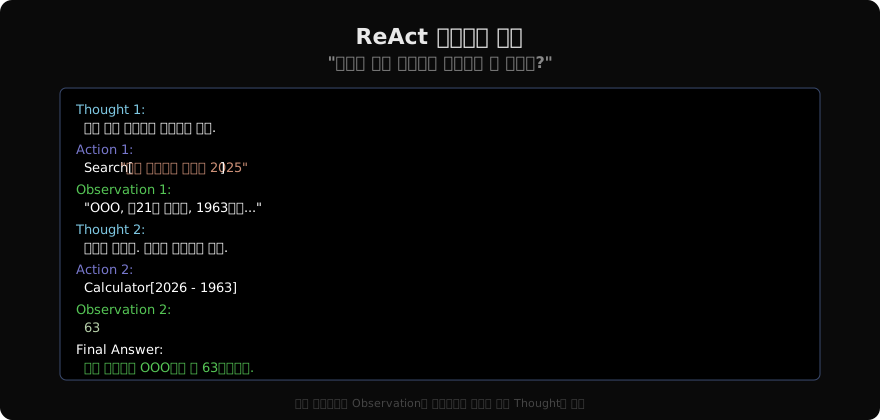
이 방식은 도구 호출 기능이 없는 모델에도 쓸 수 있다는 장점이 있지만, 형식이 조금만 어긋나도 파싱이 깨진다. 대괄호를 안 닫거나 Action을 두 줄에 걸쳐 쓰면 그 스텝이 통째로 날아간다. 텍스트 파싱으로 에이전트를 돌리던 초기 프레임워크들이 파싱 실패만 따로 붙잡는 장치를 뒀던 것도 이 때문이다.
다른 하나는 모델이 제공하는 도구 호출 API를 쓰는 방식이다. 도구 이름과 입력 스키마를 JSON으로 넘기면 모델이 텍스트가 아니라 구조화된 tool_use 블록으로 답한다. 파싱이 사라지고, 인자 타입이 스키마로 검증되며, 여러 도구를 한 턴에 병렬로 부를 수도 있다. 형식이 깨질 자리가 없으니 새로 짤 때는 이쪽이 기본이다.
from anthropic import Anthropic

client = Anthropic()

def react(goal: str, tools: list[dict], funcs: dict, max_steps: int = 10) -> str:
    messages = [{"role": "user", "content": goal}]

    for _ in range(max_steps):
        resp = client.messages.create(
            model="claude-opus-5", max_tokens=4096,
            tools=tools, messages=messages,
        )
        if resp.stop_reason == "end_turn":
            return "\n".join(b.text for b in resp.content if b.type == "text")

        messages.append({"role": "assistant", "content": resp.content})
        results = []
        for block in resp.content:
            if block.type != "tool_use":
                continue
            try:
                out = funcs[block.name](**block.input)
            except Exception as e:
                out = f"오류: {e}"       # 실패도 관찰로 돌려준다
            results.append({"type": "tool_result",
                            "tool_use_id": block.id, "content": str(out)})
        messages.append({"role": "user", "content": results})

    return "최대 단계 초과"
짧은 코드지만 두 줄이 특히 중요하다. 하나는 max_steps로 감싼 for 문이다 — 이 상한이 없으면 답을 못 찾은 에이전트가 같은 검색을 영원히 되풀이한다. 다른 하나는 예외를 잡아 문자열로 되돌려 주는 자리다. 도구가 실패했을 때 프로그램을 죽이는 대신 「오류: …」를 관찰로 넣어 주면, 모델이 그 실패를 읽고 다른 인자로 다시 시도할 수 있다. 실패를 감추지 않고 상태에 남기는 것이 복구의 전제다.
응답을 읽는 자리도 눈여겨본다. 최종 답을 꺼낼 때 resp.content[0]을 집지 않고 type == "text"인 블록만 골라 잇는다. 요즘 모델의 응답에는 텍스트 앞에 추론 블록이 먼저 오기도 하고 도구 호출 블록이 섞이기도 해서, 첫 블록이 텍스트라는 보장이 없다.
ReAct의 약점
ReAct의 장점은 분명하다. 실시간 정보에 닿을 수 있고, 계산처럼 모델이 약한 부분을 도구로 덮고, 추론 과정이 그대로 기록에 남으며, 필요한 만큼만 돌고 멈춘다. 대신 흔들리는 자리가 넷 있다.
첫째는 비용이다. 스텝마다 LLM 호출이 한 번씩 들어가고, 매 호출에 지금까지의 대화 전체가 다시 실린다. 시스템 프롬프트와 도구 정의가 1,000 토큰이고 관찰 하나가 평균 500 토큰이라 하면, 번째 호출의 입력은 대략 이다. 10스텝까지 더하면 토큰이고, 20스텝이면 토큰이다. 스텝이 두 배인데 입력 토큰은 3.5배로 뛴다 — 누적 컨텍스트 때문에 비용이 스텝 수의 제곱에 가깝게 자란다.
둘째는 오류 전파다. 초반 Action이 엉뚱한 검색어를 던지면 그 관찰이 컨텍스트에 그대로 남고, 이후 Thought가 전부 그 위에서 만들어진다. 셋째는 무한 루프다. 답을 못 찾으면 모델은 멈추는 대신 비슷한 행동을 계속 시도하는 쪽으로 기운다. 앞 코드의 max_steps가 이걸 막는 최소한의 장치다. 넷째는 환각 Action이다. 존재하지 않는 도구 이름을 부르거나 스키마에 없는 인자를 넣는다. 도구 호출 API가 인자 쪽은 상당히 막아 주지만, 도구를 골라야 할 상황에서 안 부르고 지어내는 답까지 막지는 못한다.
Plan-and-Execute
Planner·Executor·Replanner
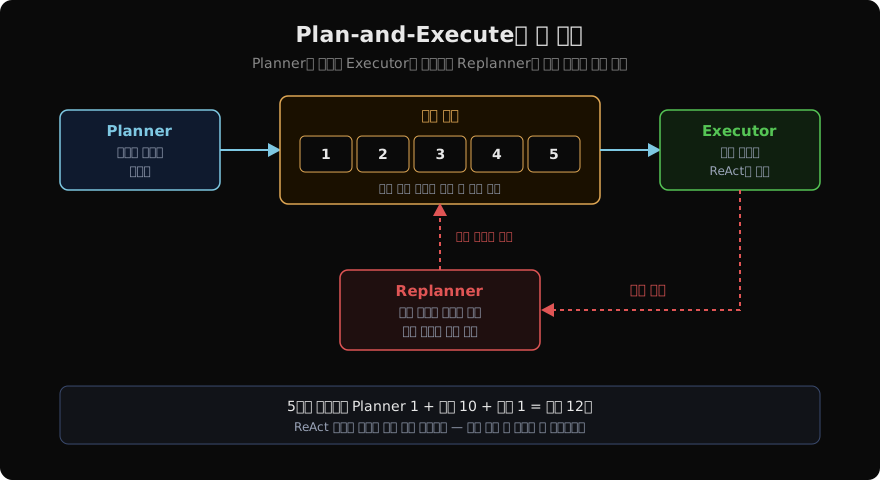
ReAct는 즉흥적이다. 한 걸음 앞만 보고 정하므로 「먼저 A와 B를 조사하고, 그 결과를 표로 정리한 뒤, 표를 근거로 요약을 쓴다」처럼 여러 단계가 얽힌 목표에서는 중간에 길을 잃는다. Plan-and-Execute는 역할을 셋으로 나눠 이 문제를 푼다.
Planner는 목표를 받아 실행 가능한 단계 목록으로 쪼갠다. 각 단계는 구체적이고 그 자체로 하나의 행동이어야 한다. Executor는 그 목록을 하나씩 꺼내 실행한다 — 이 안쪽은 대개 ReAct 루프다. Replanner는 어떤 단계가 실패했을 때 남은 계획을 다시 짠다.
import json

def plan(goal: str) -> list[str]:
    resp = client.messages.create(
        model="claude-opus-5", max_tokens=1024,
        system='목표를 실행 가능한 단계로 쪼개 JSON 배열로만 답하세요. 형식: ["단계1", "단계2"]',
        messages=[{"role": "user", "content": f"목표: {goal}"}],
    )
    return json.loads("".join(b.text for b in resp.content if b.type == "text"))

def plan_and_execute(goal: str, tools, funcs) -> str:
    steps, done, context = plan(goal), [], ""
    while steps:
        step = steps.pop(0)
        try:
            result = react(f"{step}\n\n이전 결과:\n{context}", tools, funcs)
            done.append(step)
            context += f"\n{step}: {result}"
        except Exception:
            steps = replan(goal, steps, done, failed=step)   # 남은 계획만 다시 짠다
return summarize(goal, context)replan이 남은 단계만 다시 짠다는 점을 눈여겨본다. 이미 끝난 단계까지 되돌리면 앞서 쓴 비용이 통째로 날아가고, 운이 나쁘면 같은 실패를 반복한다. 실패한 단계와 완료된 단계를 함께 넘겨 「여기까지는 됐고 여기서 막혔다」를 알려 주는 것이 재계획의 요령이다.
계획 분리의 이득
호출 수만 보면 Plan-and-Execute가 더 비싸 보인다. 5단계 계획을 세우고 각 단계가 평균 두 번의 호출로 끝난다면 Planner 1 + 실행 10 + 통합 1로 열두 번이다. 같은 일을 ReAct 하나로 밀어도 열두 스텝쯤 걸릴 테니 호출 수는 비슷하다.
다른 것은 호출 수가 아니라 한 번의 호출이 들고 있는 컨텍스트다. ReAct의 열두 번째 호출에는 앞의 열한 개 관찰이 전부 실린다. 반면 Executor는 자기가 맡은 단계 하나와, 앞 단계들의 요약된 결과만 본다. 앞 절에서 계산한 제곱 꼴의 증가가 여기서 끊긴다. 검색 결과 원문을 열 번 받아도 다음 단계로 넘어가는 것은 그중 정리된 몇 줄뿐이다.
둘째 이득은 계획이 사람이 읽을 수 있는 물건이 된다는 것이다. 실행 전에 단계 목록을 화면에 띄우면, 에이전트가 엉뚱한 방향으로 한참을 헤매기 전에 사람이 잡아낼 수 있다. 셋째는 병렬화다. 서로 의존하지 않는 단계는 동시에 돌릴 수 있는데, ReAct처럼 다음 행동이 앞 관찰에 매여 있으면 이런 판단 자체가 불가능하다.
재계획 시점
대신 새로 생기는 위험이 있다. 처음 세운 계획이 틀리면 그 오류가 실행 전체에 퍼진다. ReAct는 매 스텝 방향을 바꿀 수 있지만, Plan-and-Execute는 계획을 한 번 세운 뒤 그 목록을 따라간다. Planner가 「최신 자료를 검색한다」를 첫 단계로 놓고 실제로는 사내 DB를 봐야 하는 상황이었다면, 뒤의 네 단계가 전부 잘못된 자료 위에서 돌아간다.
그래서 재계획을 언제 부를지가 이 패턴의 핵심 설계 결정이 된다. 단계가 예외를 던졌을 때만 부르면 놓치는 것이 많다 — 도구가 「결과 없음」을 정상적으로 돌려주는 경우가 훨씬 흔하기 때문이다. 실무에서는 각 단계 뒤에 「이 결과가 이 단계의 목적을 채웠는가」를 한 번 묻고, 아니면 재계획으로 보내는 구성이 안전하다. 물론 그 확인 자체가 호출 한 번이라, 단계마다 붙일지 중요한 단계에만 붙일지는 다시 예산 문제다.
Reflexion과 LATS
Actor·Evaluator·Reflector
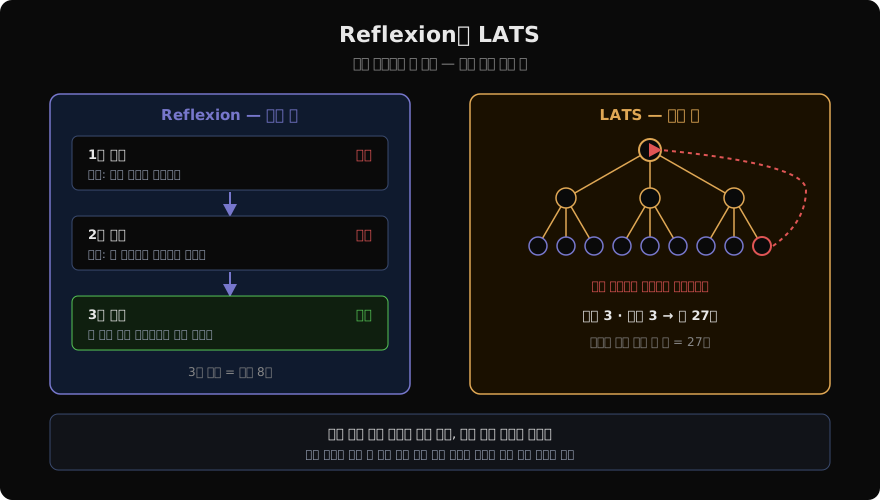
앞의 두 패턴은 한 경로를 끝까지 밀고 간다. Reflexion은 축을 하나 더 얹는다 — 결과를 평가하고, 실패했으면 왜 실패했는지를 글로 적어 다음 시도의 프롬프트에 넣는다. 역할이 셋이다. Actor가 태스크를 수행하고, Evaluator가 그 결과를 채점하고, Reflector가 실패 원인과 개선 방향을 문장으로 뽑아낸다.
# ask(프롬프트, model)는 client.messages.create를 감싸 텍스트 블록만 이어 돌려주는 헬퍼다.
def reflexion(task: str, max_trials: int = 3) -> str:
    reflections = []
    for _ in range(max_trials):
        hint = "\n이전 시도의 반성:\n" + "\n".join(reflections) if reflections else ""
        output = ask(f"태스크: {task}{hint}", model="claude-opus-5")

        verdict = ask(f"태스크: {task}\n출력: {output}\n\n"
                      '완벽하면 "SUCCESS", 아니면 {"reason": ..., "improvement": ...}',
                      model="claude-haiku-4-5")
        if "SUCCESS" in verdict:
            return output
        reflections.append(parse_improvement(verdict))
    return output       # 상한까지 갔으면 마지막 결과를 그대로 낸다
Actor와 Evaluator에 서로 다른 모델을 둔 것이 우연이 아니다. 「이 코드가 요구사항을 만족하는가」를 판정하는 일은 코드를 처음부터 짜는 일보다 대체로 쉽다. 평가에 더 가벼운 모델을 쓰면 시도 횟수를 늘리고도 총비용이 덜 오른다.
정답이 명확한 태스크일수록 이 패턴이 잘 듣는다. 코드는 테스트를 돌려 보면 되고 수학 문제는 검산할 수 있다. 반대로 「좋은 글인가」처럼 판정 자체가 주관적이면 Evaluator가 흔들리고, 흔들리는 평가에 맞춰 Actor가 답을 고치면 시도할수록 나빠질 수도 있다. 평가가 못 미더우면 반복은 개선이 아니라 표류다.
반성의 누적
Reflexion에서 상태에 쌓이는 것은 시도 결과가 아니라 반성 문장이다. 세 번째 시도의 프롬프트에는 첫 번째와 두 번째의 실패 분석이 함께 들어간다. 「경계 조건을 빠뜨렸다」, 「입력이 빈 리스트일 때를 처리하지 않았다」 같은 문장이 누적되면서 탐색 범위가 좁혀진다. 모델 가중치를 건드리지 않고 컨텍스트만으로 학습 비슷한 것을 흉내 내는 셈이다.
값을 치른다. 시도 한 번에 Actor와 Evaluator 호출이 하나씩, 실패할 때마다 Reflector가 하나 더 붙는다. 세 번 시도하다 마지막에 성공하면 회다. 그냥 한 번 물어보는 것의 여덟 배이고, 지연도 그만큼 늘어난다. 사용자가 화면 앞에서 기다리는 경로에 이 패턴을 그대로 넣으면 안 되는 이유다.
반성을 시도 사이에서 버리지 않고 파일이나 DB에 남기면 다음 요청에서도 재사용할 수 있다. 같은 종류의 태스크를 반복하는 에이전트라면 이렇게 모인 반성 목록이 사실상 태스크별 체크리스트가 된다.
LATS
Reflexion이 시간 축으로 다시 시도한다면, LATS(Language Agent Tree Search)는 공간 축으로 넓힌다. 한 스텝에서 후보 행동을 여러 개 만들어 트리로 펼치고, 각 갈래를 조금씩 진행시켜 보고, 유망한 쪽을 더 깊이 파고, 막히면 위로 되돌아간다(백트래킹). 바둑이나 체스 엔진에서 쓰던 몬테카를로 트리 탐색(MCTS, 무작위 시뮬레이션으로 각 수의 가치를 어림해 탐색 방향을 정하는 방법)을 언어 에이전트의 행동 선택에 옮긴 것이다.
되돌아갈 수 있다는 것이 앞의 셋과 갈리는 지점이다. ReAct도 Plan-and-Execute도 이미 한 행동을 무를 수 없어 실패를 안고 앞으로 갈 뿐이지만, LATS는 갈림길로 돌아가 다른 가지를 탄다. 대신 비용이 급하게 자란다. 스텝마다 후보를 셋씩 놓고 깊이 3까지 펼치면 잎이 개이고, 각 잎을 평가하는 호출만 27번이다. 탐색 공간이 넓고 한 번의 답이 아주 비싼 문제 — 게임 전략, 최적 경로 찾기 — 가 아니면 값을 치를 이유가 없다. 실무 에이전트의 기본 후보로 놓기보다, 앞의 셋으로 안 되는 문제를 만났을 때 꺼내는 카드로 두는 편이 맞다.
루프의 경계
반복 상한과 종료 조건
네 패턴 중 무엇을 고르든 경계는 따로 그어야 한다. 반복 횟수, 비용, 시간, 도구별 권한을 명시하지 않으면 에이전트는 같은 행동을 되풀이하거나 목표를 넘어서는 일까지 한다.
가장 기본은 반복 상한이다. 앞의 ReAct 코드에서 max_steps가 그 자리였다. 다만 상한에 걸렸을 때 무엇을 할지를 함께 정해야 한다. 「최대 단계 초과」를 던지고 끝내면 그때까지 모은 정보가 통째로 버려진다. 지금까지의 관찰을 요약해 부분 답과 함께 돌려주는 편이, 사용자에게도 다음 실행에도 낫다.
그리고 성공 조건만큼 중단 조건이 중요하다. 언제 성공인지는 대개 적어 두지만, 언제 포기할지와 언제 사람에게 넘길지는 자주 빠진다. 같은 도구를 같은 인자로 세 번 불렀다면 그건 진전이 아니라 제자리걸음이고, 상한까지 갈 것 없이 거기서 끊는 편이 낫다.
도구별 권한과 승인 지점
도구를 하나의 목록으로 두지 않고 읽기와 쓰기를 갈라 두는 것이 다음 경계다. 검색·조회처럼 상태를 바꾸지 않는 도구는 마음껏 부르게 해도 되지만, 파일 삭제·메일 발송·결제처럼 되돌릴 수 없는 도구는 다르다. 에이전트가 헛돌 때 읽기 도구를 열 번 더 부르는 것은 비용 문제로 끝나지만, 쓰기 도구를 열 번 더 부르면 사고다.
그래서 되돌릴 수 없는 행동에는 사람의 확인이 들어가는 지점을 둔다. 실행 직전에 무엇을 어떤 인자로 부를지 보여 주고 승인을 받는 방식이다. Plan-and-Execute에서는 이 자리를 잡기가 특히 쉽다 — 계획이 먼저 나오므로, 실행을 시작하기 전에 목록 전체를 한 번 보여 줄 수 있다.
from dataclasses import dataclass, field

@dataclass
class Limits:
    max_steps: int = 10                              # 반복 상한
    max_tokens_total: int = 200_000                  # 누적 토큰 예산
    max_seconds: float = 120.0                       # 벽시계 시간
    write_tools: set[str] = field(default_factory=lambda: {"send_email", "delete_file"})

    def needs_approval(self, tool_name: str) -> bool:
        return tool_name in self.write_tools         # 쓰기 도구는 승인을 받는다
비용과 시간 예산
세 번째 경계는 숫자로 세는 것들이다. 누적 입력·출력 토큰과 벽시계 시간을 루프 안에서 함께 재고, 넘으면 스텝 상한과 무관하게 멈춘다. 스텝 수만으로는 안 되는 이유가 앞에서 계산한 그 성질이다 — 스텝이 두 배일 때 입력 토큰은 3.5배였다. 스텝 상한은 비용 상한이 아니다. 관찰 하나가 유난히 큰 실행에서는 다섯 스텝 만에 예산을 다 쓸 수도 있다.
예산을 재는 방법도 패턴마다 다르다. ReAct는 스텝마다 한 번 재면 되지만, Reflexion은 시도 하나가 Actor·Evaluator·Reflector 셋으로 이뤄져 있어 시도 단위와 호출 단위 중 어디에서 셀지 정해야 한다. 시도 중간에 예산이 떨어지면 그 시도를 버리고 이전 시도의 결과를 내보내는 쪽이 안전하다. 반쯤 진행된 시도의 출력은 대개 앞 시도보다 나쁘다.
패턴 선택
패턴 비교
지금까지 본 넷을 한 줄씩 놓으면 이렇다. 첫 두 칸이 앞에서 말한 두 축이고, 나머지 둘은 그 선택이 무엇으로 돌아오는지다.
| 패턴 | 계획 시점 | 재시도 | LLM 호출 | 맞는 태스크 |
|---|---|---|---|---|
| ReAct | 매 스텝 | 없음 | 스텝당 1 | 정보 검색, Q&A, 1~3단계 |
| Plan-and-Execute | 처음 한 번 | 재계획 | 계획 1 + 단계별 | 리서치 보고서, 코드베이스 분석, 5단계 이상 |
| Reflexion | 시도마다 | 있음 | 시도당 2~3 | 코드 생성·디버깅, 수학 증명 |
| LATS | 갈래마다 | 백트래킹 | 갈래 수에 비례 | 게임 전략, 최적 경로 탐색 |
표에서 오른쪽으로 갈수록 비싸지고, 그 값으로 사는 것은 「한 번에 못 맞혔을 때 회복하는 능력」이다. 회복이 필요 없는 태스크에 오른쪽을 쓰면 비용만 낸다.
선택 기준
고르는 순서는 단순하다. ReAct에서 시작한다. 대부분의 태스크가 여기서 끝나고, 여기서 끝나지 않는 것이 무엇인지도 돌려 보면 드러난다. 그다음은 무엇이 모자랐는지를 보고 옮긴다 — 중간에 방향을 잃었으면 Plan-and-Execute로, 답은 냈는데 품질이 모자랐으면 Reflexion으로 간다.
키워드로 판단하려 들면 자주 틀린다. 「단계별로」라는 말이 들어갔다고 Plan-and-Execute가 맞는 것도, 「정확하게」가 들어갔다고 Reflexion이 필요한 것도 아니다. 실제로 갈라야 할 질문은 셋이다. 행동 순서를 미리 정할 수 있는가(있으면 계획 분리), 결과가 맞았는지 기계가 판정할 수 있는가(가능하면 반복 개선), 틀린 행동을 무를 수 있어야 하는가(그래야 하면 트리 탐색).
그리고 넷을 섞는 것이 실무에서 가장 흔한 답이다. 계획은 Plan-and-Execute로 세우고, 각 단계 실행은 ReAct로 돌리고, 최종 산출물만 Reflexion으로 한 번 검증하는 식이다. 비싼 패턴을 전체에 걸지 않고 필요한 자리에만 얹는 것이 요령이다.
경로 평가
마지막으로, 에이전트를 평가할 때 최종 답만 보면 부족하다. 정답에 도달했더라도 같은 검색을 다섯 번 반복했다면 좋은 실행이 아니다. 다음에 조건이 조금만 달라지면 그 낭비가 실패로 바뀐다.
함께 볼 것이 셋이다. 경로의 효율성 — 몇 스텝, 몇 토큰을 썼는가. 도구 선택의 적절성 — 계산기로 될 일에 검색을 쓰지 않았는가. 복구 능력 — 도구가 오류를 돌려줬을 때 다른 인자로 다시 시도했는가, 아니면 같은 호출을 되풀이했는가. 이 셋을 재려면 앞에서 「실패도 관찰로 돌려준다」고 했던 그 기록이 남아 있어야 한다. 관찰과 Thought를 전부 로그로 남기는 습관이 여기서 값을 한다.
지금까지 본 루프는 전부 손으로 짠 것이다. while 문과 메시지 목록, 예외 처리를 직접 썼다. 다음 글에서는 이 뼈대를 프레임워크가 어디까지 대신해 주는지 본다. 도구 호출과 프롬프트를 파이프로 잇는 선형 체인에서 출발해, 조건 분기와 되돌아가기가 필요해지는 순간 체인이 왜 상태 그래프로 바뀌어야 하는지까지 — 이 글의 Reflexion 루프가 그 그래프의 교과서적인 예제로 다시 나온다.
읽어주셔서 감사합니다. 😊