

파이썬136번6 MIN
예외 연결: __cause__와 __context__
Python 예외 연결의 내부 메커니즘을 설명합니다. __cause__와 __context__의 차이, raise from의 동작 원리, suppress_context로 원인 숨기기, 예외 체인 순회까지 완전히 다룹니다.
이 글은 PALDYN Tech Blog의 글입니다.원문 보기
지난 글에서 커스텀 예외 클래스를 설계하는 방법을 배웠다. 이번에는 예외 연결(exception chaining)의 내부 동작을 깊이 파고든다. raise ... from을 사용하면 어떤 일이 일어나는지, __cause__와 __context__가 어떻게 다른지를 코드로 직접 확인해 보자.
예외 연결이 필요한 이유
def connect_db():
    raise OSError("연결 거부됨")

def get_user(user_id):
    try:
        conn = connect_db()
    except OSError as e:
raise ValueError(f"사용자 {user_id} 조회 실패") from eValueError가 발생했을 때 트레이스백에 OSError도 같이 보인다:
OSError: 연결 거부됨

The above exception was the direct cause of the following exception:

ValueError: 사용자 42 조회 실패
이렇게 하면 "왜 ValueError가 발생했나" → "OSError 때문에" 라는 인과 관계가 명확해진다.
cause: 명시적 연결
raise B() from A를 쓰면:
B.__cause__ = A설정 (명시적 원인)B.__suppress_context__ = True설정 (암묵적 연결 숨김)
try:
    int("abc")
except ValueError as e:
    new_exc = RuntimeError("파싱 실패")
    raise new_exc from e

# 이후 except 블록에서
# new_exc.__cause__ is e     → True
# new_exc.__suppress_context__ → True__cause__가 있으면 트레이스백에 "The above exception was the direct cause of..."가 출력된다. 이 표현이 "프로그래머가 의도적으로 원인을 지정했다"는 신호다.
context: 암묵적 연결
except 블록 안에서 from 없이 새 예외를 발생시키면 Python이 자동으로 __context__를 설정한다.
try:
    int("abc")
except ValueError as e:
    raise RuntimeError("파싱 실패")
    # RuntimeError.__context__ = ValueError 자동 설정
트레이스백:
ValueError: invalid literal...

During handling of the above exception, another exception occurred:

RuntimeError: 파싱 실패__context__는 "이 예외를 처리하다가 또 다른 예외가 났다"는 의미다. 의도적 연결(__cause__)과 달리, 이건 처리 중 우연히 발생한 연결이다.
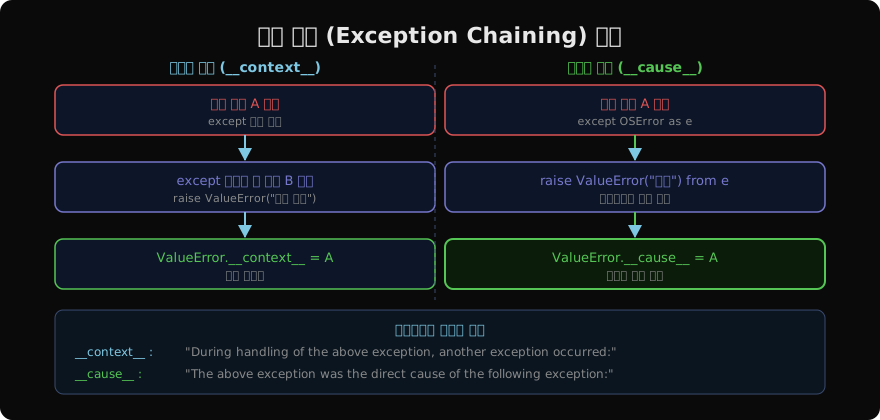
두 속성의 차이점 정리
try:
    raise ValueError("원본 오류")
except ValueError as e:
    new = RuntimeError("새 오류")
    print(new.__context__)          # ValueError 인스턴스
    print(new.__cause__)            # None (아직 from 없음)
    print(new.__suppress_context__) # False

    new2 = RuntimeError("또 다른 오류")
    new2.__cause__ = e              # 수동으로 설정 가능
    print(new2.__suppress_context__) # False (수동 설정 시 True 안 됨)
raise new2 from e # → suppress=True, cause=e| 속성 | 설정 방법 | 트레이스백 메시지 |
|---|---|---|
__cause__ |
raise B from A |
"direct cause of..." |
__context__ |
자동 (except 내 raise) | "During handling of..." |
__suppress_context__ |
from None |
원인 숨김 |
raise ... from None
class DBError(Exception):
    pass

def find_user(uid):
    try:
        return db.execute(f"SELECT * FROM users WHERE id={uid}")
    except psycopg2.OperationalError as e:
        # 내부 구현 세부사항(psycopg2)을 노출하지 않음
        raise DBError("사용자 조회 실패") from None
from None은 다음 두 가지를 동시에 한다:
__suppress_context__ = True(암묵적 context 숨김)__cause__ = None(명시적 원인도 없음)
결과적으로 트레이스백에 원본 예외가 전혀 보이지 않는다.
DBError: 사용자 조회 실패이렇게 하면 호출자에게 깔끔한 에러 메시지를 제공할 수 있다. 단, 내부 로그에는 원본 예외를 별도로 남겨야 한다.
import logging

def find_user(uid):
    try:
        return db.execute(...)
    except psycopg2.OperationalError as e:
        logging.exception("DB 오류 발생 (내부)")  # 로그에는 원본 트레이스백
        raise DBError("사용자 조회 실패") from None
예외 체인 순회
긴 예외 체인을 프로그래밍적으로 탐색해야 할 때는 __cause__와 __context__를 따라간다.
def get_root_cause(exc):
    """예외 체인에서 최초 원인을 찾는다"""
    seen = set()
    current = exc
    while current is not None:
        exc_id = id(current)
        if exc_id in seen:
            break
        seen.add(exc_id)
        next_exc = current.__cause__ or (
            current.__context__ if not current.__suppress_context__ else None
        )
        if next_exc is None:
            return current
        current = next_exc
    return exc

try:
    risky()
except Exception as e:
    root = get_root_cause(e)
    print(f"최초 원인: {type(root).__name__}: {root}")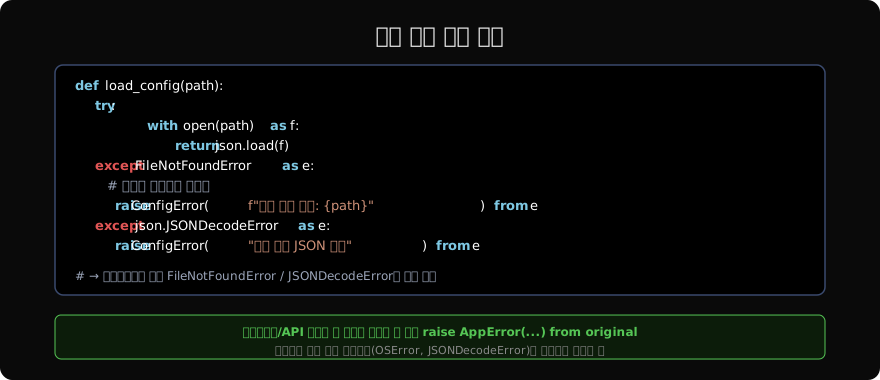
traceback 모듈로 체인 출력
import traceback

try:
    try:
        int("abc")
    except ValueError as e:
        raise RuntimeError("파싱 실패") from e
except RuntimeError:
    # 전체 체인 출력
    traceback.print_exc()

    # 문자열로 얻기
    chain_str = traceback.format_exc()
    print(chain_str)
실전 패턴: 레이어드 아키텍처
# Repository 레이어
class UserRepository:
    def find(self, user_id):
        try:
            return self.db.query(f"WHERE id={user_id}")
        except DatabaseConnectionError as e:
            raise RepositoryError(f"사용자 조회 실패: {user_id}") from e

# Service 레이어
class UserService:
    def get_profile(self, user_id):
        try:
            user = self.repo.find(user_id)
        except RepositoryError as e:
            raise ServiceError(f"프로필 로드 실패: {user_id}") from e
        return build_profile(user)

# Controller 레이어
@app.get("/users/{user_id}")
def get_user_endpoint(user_id: int):
    try:
        return service.get_profile(user_id)
    except ServiceError as e:
        # 체인 맨 끝: 클라이언트에게 깔끔한 메시지
        return {"error": str(e)}, 500
각 레이어에서 from e로 원인을 연결하면, 로그에서 전체 체인을 볼 수 있으면서도 각 레이어는 자신의 추상화 수준에 맞는 예외 타입만 노출한다.
예외 연결은 복잡해 보이지만 실제로는 단순한 원칙이다: 경계를 넘어 예외를 변환할 때는 항상 raise NewError() from original. 다음 글에서는 Python 3.11에서 추가된 ExceptionGroup과 except* 문법을 살펴본다.
지난 글: 커스텀 예외 클래스 설계하기
다음 글: 예외 그룹과 except*: Python 3.11의 새 문법
읽어주셔서 감사합니다. 😊